
The Grief That Follows Domestic Violence

When we talk about domestic violence, we often focus on danger, safety, escape, and survival. Those conversations are necessary. But there is another part of the experience that can remain unnamed long after the immediate crisis has passed, and that is grief. Domestic violence can create losses that are not always recognized as grief because no one has died. Yet a survivor may be mourning safety, trust, financial stability, relationships, health, identity, community, faith, or the future they once imagined for themselves.
Sometimes the grief begins while the relationship is still happening. A person may already be grieving the partner they hoped someone would become. They may be grieving the marriage or family they thought they were building. They may be grieving the version of themselves that existed before fear, control, isolation, or violence became part of daily life. This is one reason the question, “Why didn’t they just leave?” is so incomplete. Leaving is not only about physically exiting a relationship. For some survivors, leaving may mean losing a home, income, childcare, transportation, community, friendships, religious relationships, or financial security. There may still be love, attachment, hope, fear, and uncertainty. Someone can know that a relationship is unsafe and still grieve losing it.
There is also a common assumption that once someone gets out of an abusive relationship, the hardest part is over. Safety matters, but safety does not automatically restore what was lost. A survivor may be physically safer while also facing housing instability, financial hardship, legal concerns, disrupted family relationships, or the task of rebuilding a life from the ground up. There can be grief in starting over. There can be grief in realizing how much has changed. There can be grief over years that cannot be recovered. There can be grief over relationships with people who did not believe them or who chose to remain connected to the person who caused harm.
There can even be grief for the person who caused the abuse. That can be difficult to admit, especially when others expect relief to be the only acceptable emotion. But grief is rarely that simple. A survivor may feel relieved and sad. They may feel angry and still miss the person. They may remember good moments without denying the harm. Grieving a relationship does not mean the abuse was acceptable. Missing someone does not mean leaving was a mistake. Sometimes grief simply means something mattered and something was lost.
We also have to think about what rebuilding actually requires. We often tell survivors to “start over” without considering what those words mean in real life. Starting over can mean finding housing, employment, childcare, transportation, healthcare, legal support, new routines, and new sources of stability. It can also mean learning how to make decisions again after living in an environment where decisions may have been controlled. For some survivors, independence itself can feel unfamiliar. Rebuilding may involve learning to trust personal judgment again, spend money without fear, go places without permission, reconnect with people, establish boundaries, or rediscover interests that were abandoned. These changes may look like progress from the outside, but they can still carry grief. A person can be moving forward and mourning at the same time.
Domestic violence can also change how a survivor experiences their body. Some people live with lasting pain, headaches, sleep disruption, fatigue, sexual health concerns, reproductive concerns, or other physical effects. Others may struggle with touch, physical closeness, medical examinations, or feeling safe inside their own body. The loss may not simply be physical health. It may be the loss of trust in the body, the loss of comfort, or the loss of feeling familiar to oneself.
Healthcare responses matter here. When someone discloses abuse and is dismissed, doubted, blamed, or not taken seriously, that experience can become another layer of harm. Being believed matters. Being treated with dignity matters. Being listened to matters. For someone whose voice has already been controlled or questioned, a compassionate response can make a significant difference.

One of the most painful losses can be the grief of who someone believes they used to be. Survivors may ask themselves who they were before this happened, what happened to their confidence, why they stopped trusting themselves, why they became so quiet, or why they accepted things they never thought they would accept. Those questions can carry sorrow, anger, and regret. But grief should not become another place for self-punishment. There is a difference between grief and self-blame. Grief asks, “What did I lose?” Self-blame asks, “What is wrong with me?” Those are not the same question. A survivor can reflect on what happened without putting themselves on trial.
One of the first steps in working with this kind of grief is naming what was lost. Instead of only saying, “I experienced domestic violence,” a survivor may begin to identify the losses underneath that experience. I lost trust. I lost time. I lost relationships. I lost financial stability. I lost my sense of safety. I lost confidence. I lost the future I thought I was going to have. Naming specific losses can help make grief more understandable.
A helpful question may be, “What am I grieving today?” The answer may change. One day it may be the relationship. Another day it may be the home. Another day it may be the body. Another day it may be the years. Another day it may be the life someone thought their children would have. Grief does not always arrive all at once. Sometimes it comes in pieces.
Survivors also need room for emotional complexity. You can be grateful to be safe and still grieve what it cost you to get there. You can miss someone who harmed you. You can remember good moments and still tell the truth about the bad ones. You can be angry and still feel love. You can feel stronger in one part of your life and still struggle in another. Those emotions do not cancel each other out. Grief can hold contradiction.
Domestic violence often creates isolation, and grief can deepen that isolation when survivors believe they should already be “over it” because the relationship has ended. Support matters. That support may come from a domestic violence advocate, counselor, grief professional, support group, healthcare professional, trusted faith leader, or a safe friend who knows how to listen without judging.
The goal is not to erase what happened. The goal is not to pretend the losses no longer matter. The work is learning how to carry what happened without allowing what happened to become the whole story of your life. You are allowed to grieve what abuse cost you. You are allowed to name what was lost. You are allowed to acknowledge what still hurts. And you are allowed to keep building a life beyond what happened.
Domestic violence has a grief story. That grief deserves to be recognized too.

Permission to Breathe Podcast
This blog is a companion to the Permission to Breathe podcast episode, “The Grief of Domestic Violence: Mourning What Abuse Takes Away.”
Listen on Spotify, YouTube, Apple Podcasts, and Audible.
Show Notes
The Grief of Domestic Violence: Mourning What Abuse Takes Away
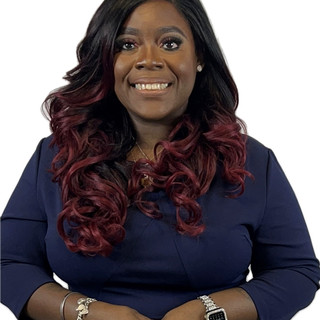
Domestic violence can create grief long before a relationship ends and long after someone leaves. In this episode of the Permission to Breathe Podcast, Dr. Tammy Isaac explores the losses that can come with domestic violence, including safety, trust, identity, financial stability, relationships, health, and the future someone once imagined.
Dr. Isaac is joined by expert contributors Thecia Jenkins, Lexi Oestreich, and Sara Hayes, who offer insight into recognizing abuse, the complexity of leaving, rebuilding after abuse, and the physical and healthcare impact of domestic violence.
In This Episode
You will hear about the grief that can exist while someone is still in an abusive relationship, why leaving is often more complicated than people realize, the practical realities of rebuilding life after abuse, how the body may continue to carry the impact of violence, and why being believed in healthcare settings matters.
Dr. Isaac also offers practical grief guidance for survivors, including naming specific losses, making room for complicated emotions, separating grief from self-blame, recognizing grief triggers, and finding safe support.
At the center of the episode is one important question: What did abuse cost this person?
Meet the Contributors
Thecia Jenkins is a consultant, coach, Christian counselor, and emotional intelligence practitioner with more than 30 years of experience in social services. She brings expertise in understanding abuse, power and control, and the barriers that can make leaving difficult.
Lexi Oestreich has a background in psychology and has worked in domestic violence services as both an outreach advocate and housing advocate. She brings insight into the practical realities of rebuilding after abuse, including housing, finances, independence, and stability.
Sara Hayes, MSN, RN, CA/CP-SANE, CEN is a forensic nurse and clinical educator with experience caring for adult, adolescent, and pediatric patients. She discusses the physical impact of domestic violence, trauma-informed care, disclosure, and the importance of believing and supporting survivors in healthcare settings.
Companion Blog
Read the companion blog: The Grief That Follows Domestic Violence
Resources
If you are in immediate danger, contact emergency services.
The National Domestic Violence Hotline is available at 1-800-799-SAFE (7233). You can also text
START to 88788.
This episode is for educational purposes and is not a substitute for domestic violence advocacy, counseling, medical care, legal assistance, or emergency services.
Listen
Listen to the Permission to Breathe Podcast on Apple Podcasts, Spotify, Audible, and YouTube.
Thank you for listening and for giving this conversation room to breathe.


Comments