
When Love Feels Possible but Still Frightening
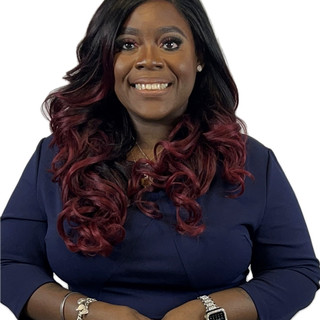
by: Rev. Dr. Tammy Isaac

After loss, love rarely returns the way it once existed. It does not usually arrive with excitement or certainty. More often, it shows up quietly. As curiosity mixed with hesitation. As longing paired with fear. As a desire for connection that is tempered by memory. Many people find themselves wondering if they are capable of loving again, or if grief has permanently changed them. The truth is not that love disappears after loss. It is that love becomes more aware.
Loss teaches the heart something it cannot unlearn. It teaches that attachment matters and that it can hurt. So, when love begins to reappear, the body often responds before the mind does. The heart slows down. Trust becomes cautious. Openness is replaced with protection. This is not brokenness. It is adaptation.
How Grief Reshapes Love
Before loss, love may have felt easier. Less measured. Less guarded. After loss, love carries memory. The body remembers what it felt like to lose someone or something meaningful. It remembers the shock, the ache, the moment life shifted. As a result, love often changes form. People may hesitate before getting close. They may watch more closely for signs of danger. They may struggle to fully relax into joy or connection. This shift is often misunderstood. Many interpret it as fear, weakness, or emotional unavailability. In reality, it is the nervous system doing what it learned to do. Protect.
The Fear of Losing Again
One of the most lasting effects of grief is anticipation. Even when life begins to stabilize, there can be a quiet expectation that something else will be taken. This fear does not always live in words. It lives in the body. Tight shoulders. Shallow breathing. Constant vigilance. For some, joy itself becomes unsettling. There is a belief that if happiness is allowed in fully, the pain will be greater when it leaves. So, joy is rationed. Managed. Kept at arm’s length. This fear is not the absence of love. It is love remembering what it cost.
Guarded Hearts and Protection
After loss, many people develop ways of protecting themselves emotionally. Some become distant. Some control situations more tightly. Some avoid closeness altogether. There is a difference between healthy boundaries and emotional shutdown. Boundaries help us stay connected while honoring limits. Shutdown is about survival. It keeps pain out by keeping everything out.
Protection often works in the short term. It reduces exposure. It creates a sense of safety. But over time, it can limit closeness, intimacy, and connection. Rather than judging these patterns, it can be more helpful to approach them with curiosity. To ask not what protection has saved you from, but what it may have cost you emotionally or relationally.
Loving Again in Honest, Small Ways
Loving again does not require certainty. It does not require confidence or a clear future. More often, it begins with honesty. Honesty about fear. Honesty about capacity. Honesty about what feels possible right now. Love after loss often grows slowly. It may begin with friendship, presence, or curiosity. It may look like allowing connection without deciding what it means. It may involve pacing, checking in with the body, and honoring limits without shutting down. Small, honest love allows the heart to open without forcing it.
Releasing the Pressure to Be Ready
Many people feel pressure to be ready for love again. Pressure to move on. Pressure to look healed. Pressure to keep up with others’ timelines. But readiness is not fixed. It shifts. Some days feel open. Other days feel guarded. This is not failure. It is part of living with grief. Instead of asking, “Am I ready?” it can be gentler to ask, “What feels possible right now?” Love does not open because it is pushed. It opens when it feels safe enough.
A Gentle Invitation
If you are drawn toward love again and still afraid, you are not doing this wrong. Fear does not disqualify you from connection. It simply means you have loved deeply before. Loving again after loss is not about erasing what you have been through. It is about learning how to carry it without closing your heart entirely. There is no right way to do this. Only your way. And wherever you are, you are allowed to move slowly, honestly, and with care.

If this reflection resonates with you, you are invited to listen to the companion episode on the Permission to Breathe Podcast. In the episode “Loving Again While Carrying the Fear of Loss,” we spend more time sitting with these ideas, allowing space for the body, the heart, and the breath. The conversation unfolds slowly, offering pauses, reflection, and presence in ways that reading alone sometimes cannot.
You can listen on Spotify or Apple Podcasts, wherever you usually tune in. If you find it helpful, consider listening in a quiet moment, on a walk, or during a pause in your day. There is no rush. Let the words meet you where you are. And as always, give yourself permission to breathe.
Show Notes
Loving Again While Carrying the Fear of Loss
Loving again after loss can feel confusing. You may want connection while also feeling hesitant. You may miss closeness and still feel afraid of what it could cost you. For many people, love after grief does not arrive with confidence. It arrives with questions, caution, and a guarded heart.
In this episode of Permission to Breathe, we explore what it means to consider loving again while still carrying the fear of loss. Not by forcing readiness. Not by offering formulas. But by telling the truth about how grief reshapes love, trust, and the body.
This conversation is for anyone who is dating again, opening their heart slowly, rebuilding after divorce, widowhood, heartbreak, or loss of any kind. It is also for those who want love but feel unsure how to move toward it without losing themselves.
In this episode, we explore:
How grief changes the way we attach and trust
Why fear often shows up alongside love after loss
The difference between healthy boundaries and emotional shutdown
How the body holds vigilance, tension, and anticipation after loss
What it means to love again in small, honest ways
Releasing pressure to be “ready” and honoring your own pace
Reflective questions to help you listen to your heart with compassion
This episode does not promise outcomes or timelines. It offers understanding, permission, and space to breathe where you are.
If you are learning how to love again while carrying memory, fear, and hope at the same time, this conversation is for you.
Reflection Questions:
What am I afraid of losing again?
How has grief shaped the way I approach love now?
Where might I allow a little more honesty or softness without pressure?
Take what resonates. Leave what does not. You do not have to decide anything today.
As always, thank you for listening. And until next time, give yourself permission to breathe.


Comments