
When Goals of Care Change

Death is a universal part of life, yet many people still struggle to talk about it. We prepare for births, graduations, careers, and retirement, but conversations about dying are often delayed until a crisis forces them. Families may not know what to expect. Healthcare professionals may feel unsure about what to say. Patients may have wishes that no one has asked them to name. That is why understanding death and the dying process matters.
This episode of the Permission to Breathe Podcast grew out of a presentation I gave to occupational therapy students at the School of Health Professions. Although the presentation focused on healthcare, the conversation applies to all of us. One of the central questions is simple: What matters most to you now?
When cure is possible, treatment may focus on recovery, strength, and function. But when the body is no longer responding to treatment, the goals of care may need to change. Care may become less about doing more and more about preserving comfort, dignity, choice, and connection.
A person nearing the end of life may sleep more, eat less, withdraw from conversation, become weaker, or experience changes in breathing and circulation. These changes can be frightening when families do not understand them. Knowing that some of these signs may be part of the natural dying process does not remove the sorrow, but it can reduce confusion and help families respond with greater calm.
A decreased appetite, for example, does not always mean the person is being neglected. The body may no longer need or process food in the same way. Withdrawal does not always mean rejection. The person may have less energy and may be turning inward. Reduced responsiveness does not mean that words no longer matter. Families can still speak, express love, offer reassurance, and say what needs to be said.
Understanding the dying process also helps us recognize that death is more than a medical event. It affects relationships, identity, faith, culture, hope, and meaning. The person who is dying is still living. They still have preferences. They still have a voice. They still deserve to be included in decisions about their care.
When cure is no longer the goal, care still matters. Sometimes the most important thing we can do is stop asking only, “What else can be done?” We can also ask what brings comfort, who the person wants nearby, what they are afraid of, what they still need to say, and what would help them feel respected and at peace.
These questions do not take away hope. They help us understand what hope looks like now. Hope may mean comfort. Hope may mean time with family. Hope may mean returning home. Hope may mean reconciliation. Hope may mean being heard.
Talking about death does not make it happen sooner. It can help us prepare, communicate clearly, and care for one another with greater honesty. The goal is not to remove the sorrow of dying. The goal is to make sure that the person is not lost inside the medical process. Even when there is nothing left to fix, there is still someone to honor.

Listen to the Companion Podcast Episode
Continue this conversation by listening to Part One of the Permission to Breathe Podcast episode, “Understanding Death and Dying: What Happens as Life Comes to an End.”
In this episode, I explore why conversations about death are often avoided, how the goals of care may change near the end of life, and what families and healthcare professionals may notice as the body begins to slow down.
Listen on Apple Podcasts, Spotify, YouTube, or Audible.
Remember, you have permission to breathe.
Understanding Death and Dying Part One Show Notes
Death is a universal part of life, yet many people still struggle to speak openly about it.
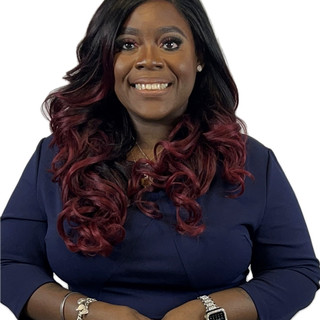
In Part One of this two-part series, Dr. Tammy Isaac explores why conversations about death and dying are often avoided and why understanding the dying process matters for patients, families, caregivers, and healthcare professionals.
This episode grew out of a presentation Dr. Isaac delivered to occupational therapy students at the School of Health Professions titled, “Understanding Death and Dying: A Multidisciplinary Look at the Dying Process and Occupational Therapy’s Role.”
Although the original presentation was created for future healthcare professionals, this conversation extends far beyond one discipline. It is for anyone who has cared for a dying person, witnessed changes they did not understand, or wondered how to remain present when medicine can no longer cure the illness or restore the body.
In this episode, Dr. Isaac discusses the shift from cure-centered care to care-centered care and invites listeners to consider an important question:
What matters most to you now?
She also explains some of the physical and emotional changes that may occur as death approaches, including withdrawal, decreased appetite, weakness, changes in breathing, mottling, restlessness, symbolic language, and reduced responsiveness. Understanding these changes does not remove the sorrow of loss, but it can reduce fear and confusion. It can help families recognize what may be part of the body’s natural progression and allow them to focus on comfort, communication, dignity, and presence.
In this episode:
Why people often avoid conversations about death
How culture, faith, family, and past experiences shape our understanding of dying
The difference between cure-centered care and care-centered care
Why end-of-life care should reflect the patient’s values and wishes
The question, “What matters most to you now?”
Common signs that may occur as the body approaches death
Why decreased appetite and withdrawal do not always mean something is wrong
How families can respond to changes in breathing, awareness, and behavior
The importance of continuing to speak to a person who is no longer responsive
Why being absent at the exact moment of death does not erase a lifetime of love and care
Part One closes with an invitation to consider what you would want the people caring for you to understand about your wishes, values, and priorities at the end of your life. In Part Two, Dr. Isaac will continue the conversation by exploring grief before death, changing family roles, culture, spirituality, dignity, legacy, meaningful activity, and presence at the end of life.
Reflection Question
What would you want the people caring for you to understand about what matters most to you at the end of your life?
Take time to sit with that question, and when you are ready, begin the conversation with someone you trust.
The Permission to Breathe Podcast is a sanctuary where you can inhale deeply and exhale freely, embracing your grief journey unapologetically.
Follow the podcast for more honest conversations about grief, loss, faith, healing, and meaning.
You have permission to breathe.


Comments