
When Someone Is Missing From the Holidays: Making Space for Grief and Connection

The holidays have a way of reminding us who is here and who is not. We notice it around the dinner table. We notice it when the decorations come out of storage. We notice it in the kitchen when someone reaches for the recipe that has been passed down for years. We notice it when the family gathers for a photograph, when a familiar Christmas song begins to play, or when we instinctively expect a phone call that will not come.
For someone who is grieving, the holidays can bring the absence of a loved one into sharper focus. It is not necessarily because grief has suddenly become worse. The holidays are filled with traditions, memories, relationships, and rituals, and those experiences often carry the presence of people we love. When one of those people dies, the traditions remain, but our experience of them may change.
The Relationship Does Not Simply Disappear
There was a time when grief was often understood through the idea that grieving people eventually needed to detach emotionally from the person who died. But contemporary grief theory has helped us recognize something grieving people have known for generations: relationships can continue after death. This concept is known as continuing bonds.
A continuing bond is an ongoing connection with someone who has died. It does not mean denying the reality of the death or pretending the person is physically present. Instead, it recognizes that relationships leave something behind. We carry memories, lessons, stories, traditions, values, and the ways someone influenced our lives.
You may still hear your mother's advice when you are making an important decision. You may cook your grandmother's recipe without needing to look at the instructions because you watched her make it so many times. You may tell your children stories about a grandfather they never met. You may wear your spouse's jewelry, visit a gravesite, celebrate a birthday, or speak someone's name during prayer. These connections do not necessarily mean you are unable to accept the death. They can simply mean that the relationship still matters.
Why the Holidays Can Make the Absence Feel Louder
Holiday traditions are rarely just activities. They are often relational. Someone always cooked the turkey. Someone always said the blessing. Someone decorated the tree. Someone played Santa. Someone called everybody on Christmas morning. Someone told the same story every year. Someone sat in that chair. Then that person dies, and what once happened automatically suddenly requires a decision.
Who will cook now? Who will host? Do we hang their stocking? Do we make their favorite dish? Do we still go to the same place? Should someone else sit in their chair? Do we say their name? These questions may appear to be about traditions, but underneath them are questions about grief, identity, family, and connection. Sometimes we are not only missing the person. We are missing the version of the holiday that existed when they were alive. We may even miss who we were when they were here.

You Are Allowed to Say Their Name
Families sometimes become quiet around grief during the holidays because everyone is trying to protect everyone else. No one mentions Mom because they do not want Dad to cry. No one talks about the child who died because they do not want to make the parents sad. Someone changes the subject when a memory comes up because the holiday is supposed to be a happy occasion. But silence does not necessarily protect grieving people.
Most grieving people do not need to be reminded that someone they love has died. They already know. What they may need is reassurance that the person has not been forgotten. Sometimes hearing, “I was thinking about her today,” can be meaningful. Sometimes telling the story everybody has heard a hundred times is exactly what the family needs. And sometimes tears will come. Tears do not mean the holiday has been ruined. Grief and joy can occupy the same gathering. Someone can laugh during dinner and cry while washing the dishes. A person can enjoy watching grandchildren open gifts while wishing their spouse were there to see it. Gratitude for who is present does not cancel grief for who is absent.
Finding Your Own Way to Remember
There are many ways to maintain a connection during the holidays, and none of them are requirements. You might prepare your loved one's favorite dish or continue a tradition they started. You might hang a special ornament, light a candle, display a photograph, play their favorite music, visit a meaningful place, make a charitable gift in their honor, or share a favorite memory before dinner.
Your remembrance can also be private. You might begin Christmas morning with a quiet cup of coffee and their photograph. You might write them a letter. You might wear something that belonged to them. You might listen to a saved voicemail. You might spend a few minutes in prayer or simply allow yourself to remember. What matters is not how elaborate the ritual is. What matters is whether it has meaning for you. And if you do not want to do anything at all, that is also an option. Continuing bonds should never become another expectation placed upon someone who is grieving.
When the Same Family Grieves Differently
One of the difficult realities of family grief is that people can lose the same person without experiencing the same loss. A woman may have been someone's mother, someone's wife, someone's sister, someone's grandmother, and someone's friend. Each relationship carried its own history. That means family members may disagree about how the person should be remembered.
One person may want the photograph at the table. Another may find that painful. Someone may want to visit the cemetery on Christmas morning. Another person may have no desire to go. Someone may want to talk about Dad throughout dinner. Someone else may need a break from talking about the loss. Different responses do not necessarily indicate different amounts of love.
There also needs to be room for complicated relationships. Death does not automatically transform a difficult relationship into a beautiful one. A person may grieve someone they loved and still carry anger, disappointment, unanswered questions, or even relief. No one should be required to idealize the deceased in order to participate in family remembrance. Making room for grief means making room for the reality that people had different relationships with the person who died.
You Have Permission to Change the Tradition
Sometimes the greatest pressure during the holidays comes from trying to make everything exactly the way it used to be. But it cannot be exactly the same because something significant has changed. You are allowed to acknowledge that. Maybe you do not want to host this year. Maybe you want to travel. Maybe you want a smaller gathering. Maybe someone else needs to cook. Maybe you attend the family gathering but leave earlier than usual. Maybe you keep one tradition and release three others.
Changing a tradition does not erase the person who died. You can also create something new that carries their influence forward. If your mother was known for feeding everyone, perhaps your family provides a meal for someone else in her honor. If your father valued family gatherings, perhaps you begin collecting family stories for younger generations. If your spouse cared about a particular cause, perhaps supporting that cause becomes part of your holiday tradition. The form can change while the meaning continues.
Keeping the Connection
If someone you love is missing from the holidays this year, you do not have to choose between remembering them and continuing to live. You can miss them and laugh. You can cry and still enjoy the gathering. You can keep an old tradition and create a new one. You can speak their name and make new memories. You can acknowledge that they are gone while also acknowledging that their life continues to have meaning in yours.
Perhaps the question this holiday season is not, “How do I get through this without thinking about them?” Perhaps the question is, “How do I want to carry this relationship with me now?” There may not be one answer. Your answer this year may not even be your answer next year. Grief changes. Families change. Traditions change. The ways we remain connected can change too.
Death changes what is possible within a relationship, but it does not erase the fact that the relationship existed. So this holiday season, make room for the memories that come. Make room for the traditions that still have meaning. Make room for the changes you need to make. Make room for laughter when it comes and tears when they come. Most of all, give yourself permission to keep the connection in whatever way has meaning for you.

Continue the Conversation
This blog is a companion to the Permission to Breathe Podcast episode, “Keeping the Connection: Grief, Continuing Bonds, and the Holidays.” Listen to the episode on Apple Podcasts, Spotify, YouTube, and Audible, for a deeper conversation about continuing bonds, navigating grief during the holiday season, honoring the people we miss, and finding meaningful ways to carry the connection forward.
Show Notes
Keeping the Connection: Grief, Continuing Bonds, and the Holidays
The holidays can make the absence of someone we love feel even more noticeable. Familiar traditions, favorite foods, music, gatherings, and even an empty chair at the table can bring memories and grief to the surface.
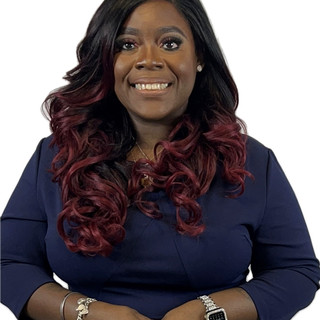
In this episode of the Permission to Breathe Podcast, Dr. Tammy Isaac explores continuing bonds, a grief concept that recognizes that death changes our relationship with someone we love, but does not require us to erase the connection. Our relationships can continue through memories, stories, traditions, values, rituals, and the ways the people we love continue to influence our lives.
Dr. Isaac discusses why the holidays can make grief feel more present, why saying the name of someone who died does not necessarily make grief worse, and how families can create space for remembrance without forcing anyone to grieve in a particular way. She also explores what happens when members of the same family need different things during the holidays and why changing a tradition does not mean we are forgetting the person who died.
In This Episode
Dr. Isaac discusses what continuing bonds means and how it can help us understand our ongoing relationship with someone who has died. She explores why holiday traditions can make absence feel louder, how memories and rituals can help maintain connection, and why grieving people should have permission to say the names of those they miss.
The conversation also offers practical ways to remember someone during the holidays, including preparing a favorite dish, sharing stories, displaying photographs, lighting a candle, wearing something meaningful, visiting a special place, continuing an old tradition, or creating a new one.
The episode also addresses differences within families. People can grieve the same person differently because each person had their own relationship with the deceased. There is room for those differences, including when the relationship with the person who died was complicated.
Finally, Dr. Isaac encourages listeners to give themselves permission to change holiday traditions when necessary. Keeping a connection does not require recreating the past. Sometimes honoring the relationship means carrying its meaning forward in a new way.
Reflection Questions
As you move through the holiday season, consider: What am I missing most about this person during the holidays? What traditions remind me of them? What part of our relationship do I want to carry forward? Is there a tradition I want to continue, change, or release? What would keeping the connection look like for me this year?
Companion Blog
Continue the conversation by reading the companion blog, “When Someone Is Missing From the Holidays: Making Space for Grief and Connection.”
Listen to the Permission to Breathe Podcast
Listen on Apple Podcasts, Spotify, YouTube, and Audible.
Remember, you do not have to choose between remembering the person who died and continuing to live. You can grieve, remember, celebrate, create new memories, and keep the connection.


Comments